
Commercial lifts need to reflect how the building actually moves people, deliveries, and staff through the day.
Commercial lifts
Commercial lifts for offices, retail, and mixed-use buildings.
Commercial lift planning should reflect user flow, waiting expectation, service access, and the building's operating rhythm. Eleva approaches commercial lifts around practical daily movement rather than relying on generic passenger-lift language.
It is useful to talk before cabin size, waiting expectations, and maintenance assumptions get locked too early.
Useful for office, retail, and mixed-use projects with active lift requirements
Best discussed before traffic assumptions and service expectations harden too early
A short building brief is enough to begin the planning conversation
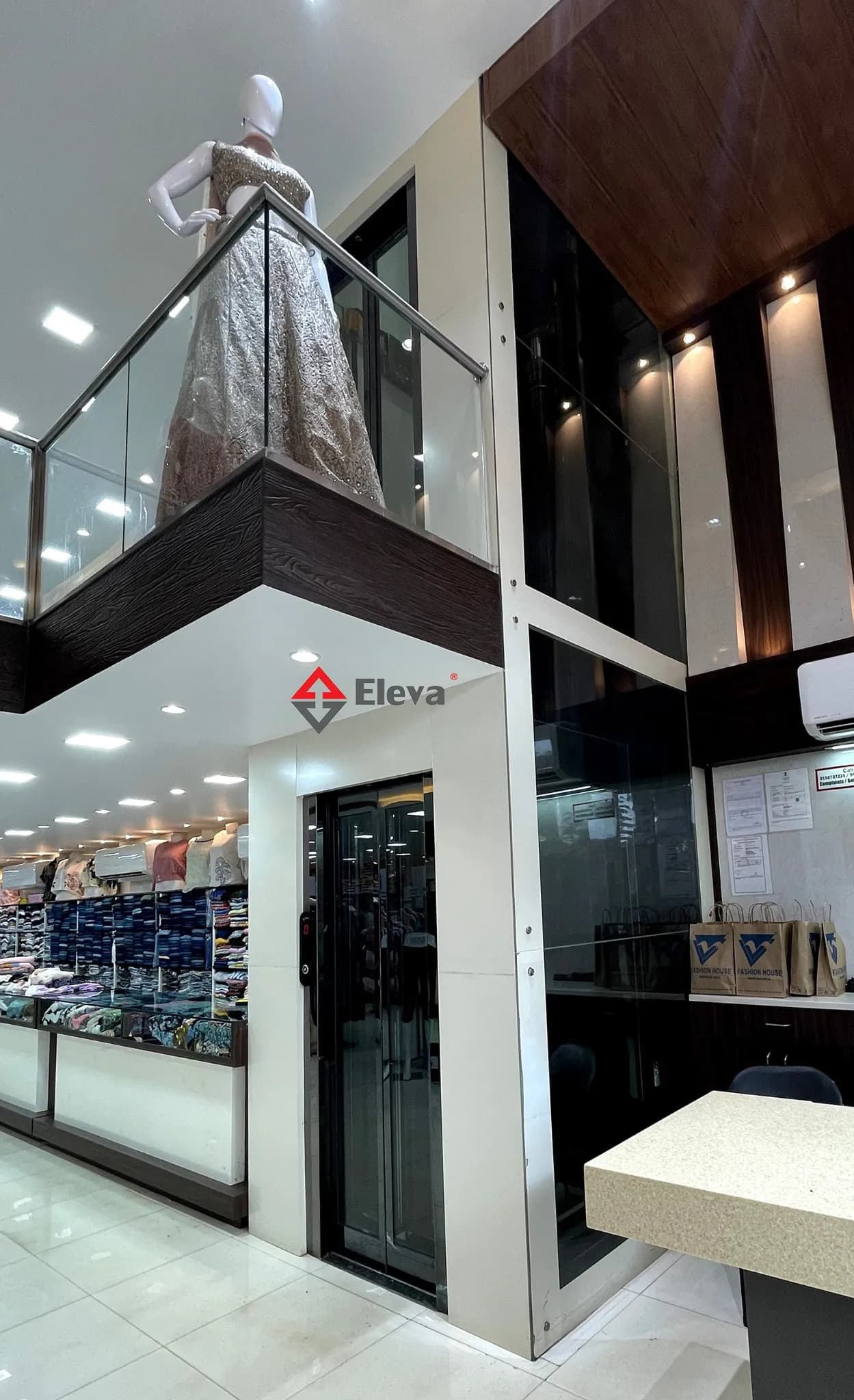
What to review early
Public and staff movement through the building
Cabin and door fit for real commercial use
Maintenance access and operating reliability
Key points
A strong package balances user experience and maintainability instead of forcing a finish-led decision.
Some commercial sites need passenger and service movement reviewed together before the right lift mix is clear.
Our Clients

Vicco

MR.DIY

DoubleTree by Hilton

Vedanta
Concrete Builders

Unichem

Hero

Adwalpalkar

Aldeia de Goa

B&F

Bharatgas

Bina Punjani

CDM

ESG

Jubilant Foodworks

South Realty
Vicco
MR.DIY
DoubleTree by Hilton
Vedanta
Concrete Builders
Unichem
Hero
Adwalpalkar
Aldeia de Goa
B&F
Bharatgas
Bina Punjani
CDM
ESG
Jubilant Foodworks
South Realty
Where this is usually suitable
Office buildings
Retail and showroom projects
Commercial mixed-use buildings
Projects comparing passenger and goods movement together
Common issues on commercial-lift requirements
Passenger flow that does not match the proposed lift package
Commercial buildings often need a sharper review of user peaks, waiting expectation, and entry logic than a generic passenger specification provides.
Service movement being treated as an afterthought
Back-of-house movement can quickly affect passenger experience when goods, trolleys, or service staff share the wrong lift strategy.
Packages that are acceptable on day one but awkward to maintain
Maintainability matters early in commercial buildings because downtime affects both users and operations directly.
Relevant project example
This case study is useful because it shows a commercial passenger-lift package being shaped around traffic pattern and service practicality together.
Project case study
Commercial passenger lift package
A Goa commercial-lift case where cabin sizing, finish expectations, and long-term maintainability had to stay aligned.
Planning notes that support commercial-lift decisions
These articles help project teams narrow commercial lift fit before the building package is finalized too early.
Planning insight
Passenger elevator planning for low-rise buildings
Useful for smaller office and commercial buildings where traffic, cabin fit, and waiting expectations still need to be aligned.
Planning insight
Goods elevators for material movement in commercial buildings
Helpful when the site also needs a separate goods-movement discussion rather than only a passenger-lift package.
Planning insight
How to plan elevator maintenance before building handover
Useful when commercial-lift planning and service readiness need to be reviewed together before the building opens.
Questions buyers usually ask
How is a commercial lift different from a residential passenger lift?
Commercial lifts often face sharper peak periods, more public-facing user expectations, and more operational pressure around downtime and service access.
Should a commercial project also review goods movement at the same time?
Often yes. Many office, retail, and mixed-use sites benefit from clarifying whether service movement should stay separate from passenger traffic.
What the next step usually looks like
Commercial-lift discussions usually move faster once the building type, floors served, and movement pattern are on the table early.
Share whether the project is office, retail, mixed-use, or another commercial building type.
Mention the floors served and whether the concern is passenger flow, service movement, or both.
Use the enquiry form to begin the discussion. Eleva can then help narrow whether the next review should focus on passenger traffic, service movement, or maintenance readiness.