
Goods-lift planning should follow material flow rather than passenger-lift assumptions.
Goods elevators for commercial and industrial use
Goods elevators for commercial and industrial use.
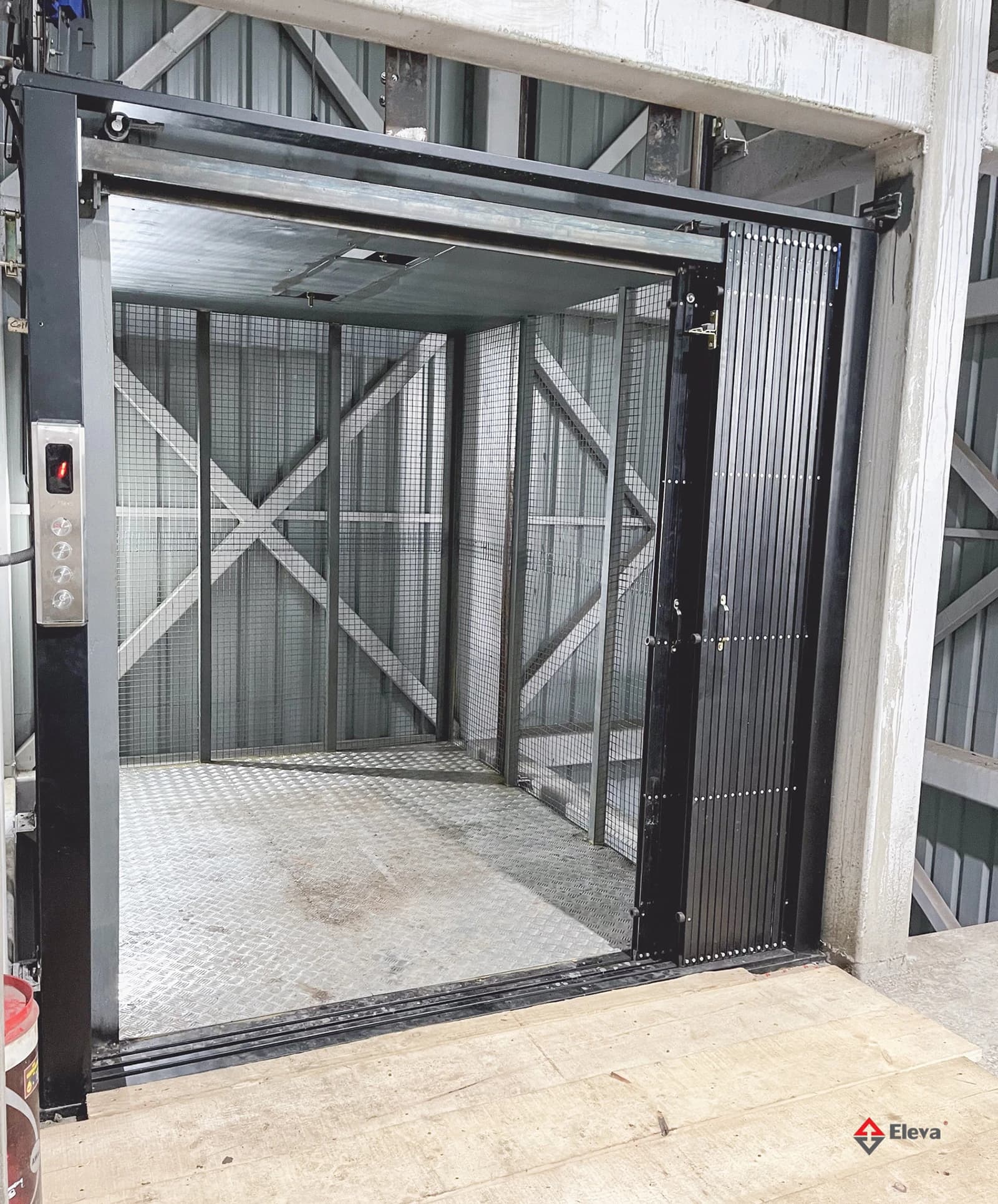
This page is for active goods-lift requirements where the main issue is material movement, platform fit, and repetitive duty. Eleva approaches goods elevators around what needs to move, how it moves, and what the site can support in practice.
Goods lift requirements are easier to solve early, before loading pattern and platform assumptions harden into a poor fit.
Useful when the main issue is load handling, platform fit, or repetitive duty
The discussion often starts with what moves, how often it moves, and how it is loaded
A short material-movement brief is enough to begin a practical goods-lift discussion
What to review early
Load type, trolley or pallet dimensions, and duty cycle
Platform size, dooring, and entry pattern at each level
Whether the shaft and service arrangement support real material movement
Key points
Platform and door fit matter because awkward loading patterns quickly reduce usefulness.
A practical goods elevator should stay dependable under repetitive site conditions.
Our Clients

Vicco

MR.DIY

DoubleTree by Hilton

Vedanta
Concrete Builders

Unichem

Hero

Adwalpalkar
Aldeia de Goa

B&F

Bharatgas

Bina Punjani

CDM

ESG

Jubilant Foodworks

South Realty
Vicco
MR.DIY
DoubleTree by Hilton
Vedanta
Concrete Builders
Unichem
Hero
Adwalpalkar
Aldeia de Goa
B&F
Bharatgas
Bina Punjani
CDM
ESG
Jubilant Foodworks
South Realty
Where this is usually suitable
Commercial back-of-house movement
Industrial material handling
Warehouses and service floors
Buildings separating goods movement from passenger use
Where goods-lift enquiries usually need clarity
Platform and dooring assumptions that do not match the load
A goods elevator becomes hard to use when the real trolley, pallet, or handling pattern was not reviewed early enough.
Goods movement being forced through a passenger-lift logic
Material handling needs a different selection logic, especially when loading frequency or service access matters.
Sites with non-standard loading or shaft conditions
Some goods-lift requirements need earlier review because the platform, entry route, or structural fit is less straightforward than it first appears.
Relevant planning note
This note is useful because it shows how platform fit, loading logic, and duty cycle should be reviewed before a goods-lift direction is fixed.
Planning note
Goods elevators for material movement in commercial buildings
A practical note on load type, trolley size, shaft fit, and service duty before a goods-lift package is narrowed.
Planning notes that support goods-lift decisions
These articles help narrow platform, shaft, and duty questions before the wrong handling assumptions are fixed.
Planning insight
Goods elevators for material movement in commercial buildings
A practical guide to platform size, dooring, load type, and repetitive duty on commercial sites.
Planning insight
Common planning mistakes in elevator shaft design
Helpful when shaft assumptions still need to be checked against a real goods-lift arrangement.
Planning insight
How to plan elevator maintenance before building handover
Useful when the goods lift is approaching handover and the operating arrangement still needs service clarity.
Questions buyers usually ask
Is this page relevant for both commercial and industrial goods lifts?
Yes. The common thread is that the selection should follow load movement, dooring, and duty rather than passenger expectations or generic capacity alone.
Can Eleva help when the loading condition is not standard?
Yes. Non-standard loading patterns, entry conditions, or platform needs are exactly where the discussion should start before the lift type is fixed.
What the next step usually looks like
A goods-lift enquiry is usually strongest when it starts with the handling pattern, not only the headline capacity requirement.
Share what needs to move, the handling method, and how many floors are involved.
Mention any platform, door, loading-bay, or shaft condition that already looks restrictive.
Use the enquiry form to begin the discussion. Eleva can then suggest whether the next step should focus on platform fit, loading logic, or site constraints.