
This page is about residential fit, especially when the building condition is already shaping the answer.
Elevator solutions for villas and existing houses
Elevator solutions for villas and existing houses.
This page is for villa owners and existing-house projects where the main question is fit rather than catalogue comparison. Eleva approaches these residential requirements around structure, circulation, finish sensitivity, and the level of civil change the property can realistically absorb.
New-build and existing-home discussions are both welcome, even if the house layout is still being worked out.
Useful when the main question is how a residential lift will fit the building
Relevant for villas, existing houses, and layout-sensitive existing-home projects
The discussion usually starts with structure, stairs, and the amount of change the home can absorb
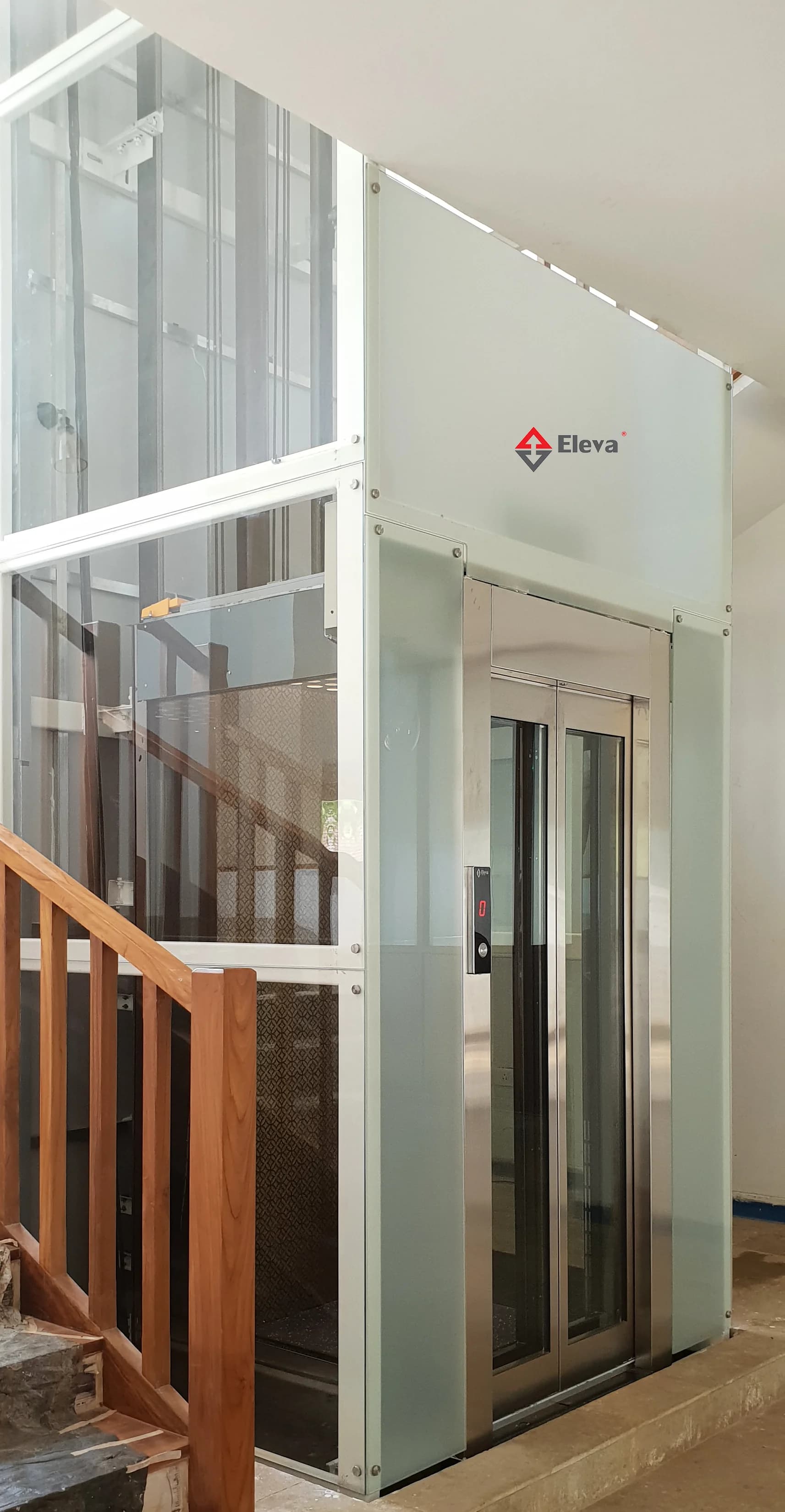
What to review early
Whether the building is new, partly built, or fully existing
The structural and circulation zones that can realistically support a lift
How comfort, finish fit, and service practicality should be balanced
Key points
The right residential lift route is often decided by shaft and landing logic before model comparison begins.
A villa or house discussion can start with a simple layout brief rather than a full specification.
Our Clients

Vicco

MR.DIY

DoubleTree by Hilton

Vedanta

Concrete Builders

Unichem

Hero

Adwalpalkar

Aldeia de Goa

B&F

Bharatgas

Bina Punjani

CDM

ESG

Jubilant Foodworks

South Realty
Vicco
MR.DIY
DoubleTree by Hilton
Vedanta
Concrete Builders
Unichem
Hero
Adwalpalkar
Aldeia de Goa
B&F
Bharatgas
Bina Punjani
CDM
ESG
Jubilant Foodworks
South Realty
Eleva designs and installs home elevators across Goa and Maharashtra, from compact two-stop lifts in existing houses to full-height glass cabins in new villas. Every installation begins with a structural assessment of your shaft space, pit availability, and headroom so the elevator fits your home, not the other way around.
Where this is usually suitable
Private villas
Existing houses under review for lift access
Residential retrofit projects
Homes comparing compact versus customized lift routes
Residential issues this page is meant to clarify
Retrofitting access without forcing the wrong civil decision
The lift should improve daily use without becoming disproportionate to the house or causing unnecessary structural disruption.
Balancing house layout, finish quality, and long-term practicality
Residential elevators need to feel appropriate to the home while still remaining comfortable to use and practical to service later.
Deciding between a straightforward home lift and a more custom route
Some homes suit a standard path. Others need a more site-specific solution because the staircase, slab, or circulation arrangement is already dictating the answer.
Relevant project example
This case study is useful because it shows a residential lift route being shaped around an existing villa structure rather than around assumptions.
Project case study
Residential villa elevator retrofit
A North Goa villa case where the usable shaft pocket sat inside an existing structure with tight slab and circulation limits.
Planning notes that help narrow residential fit
These articles are useful when the main question is residential fit, civil impact, and the practical route toward a villa or existing-house lift.
Planning insight
Elevator considerations for retrofit buildings
Helpful when the building is already in place and the lift route still needs to be solved honestly.
Planning insight
How much space is required for a home elevator in an existing house
Useful when the decision depends on the actual shaft rectangle, pit, and overhead available in the home.
Planning insight
Common planning mistakes in elevator shaft design
Helpful when the residential lift conversation still depends on shaft assumptions that need a more practical review.
Questions buyers usually ask
How is this page different from the broader home-elevators page?
This page is narrower. It focuses on villas and existing houses where the main question is whether the lift can fit the current building condition cleanly and practically.
Is this page only for already-built houses?
No. It is useful for both new villas and existing houses, especially when the conversation needs to stay anchored to the actual residential layout rather than generic lift assumptions.
What the next step usually looks like
Residential lift discussions usually move faster once the house type, floors served, and likely structural limit are all on the table early.
Share whether the project is a villa, duplex, or another type of existing house.
Mention the number of floors and any space issue already known around stairs, shaft pocket, or finishes.
Use the enquiry form to begin the conversation. Eleva can then help narrow whether the next step should focus on home-elevator fit or a more customized route.