
Parking density only matters if the finished system stays workable in daily use.
Car parking systems in Mumbai
Car parking systems in Mumbai for sites where conventional layouts waste too much of the footprint.
On many Mumbai projects, ramp-heavy parking layouts reduce efficiency long before the building is complete. Eleva supports stack, puzzle, and tower parking decisions around footprint pressure, user pattern, and operational practicality.
Parking discussions are most useful before the footprint, circulation, and parking target are finalized around the wrong assumption.
Useful when parking count affects viability, approvals, or layout efficiency
Stack, puzzle, and tower systems suit different Mumbai plot conditions
The first step is usually footprint, parking target, and user pattern, not a product commitment
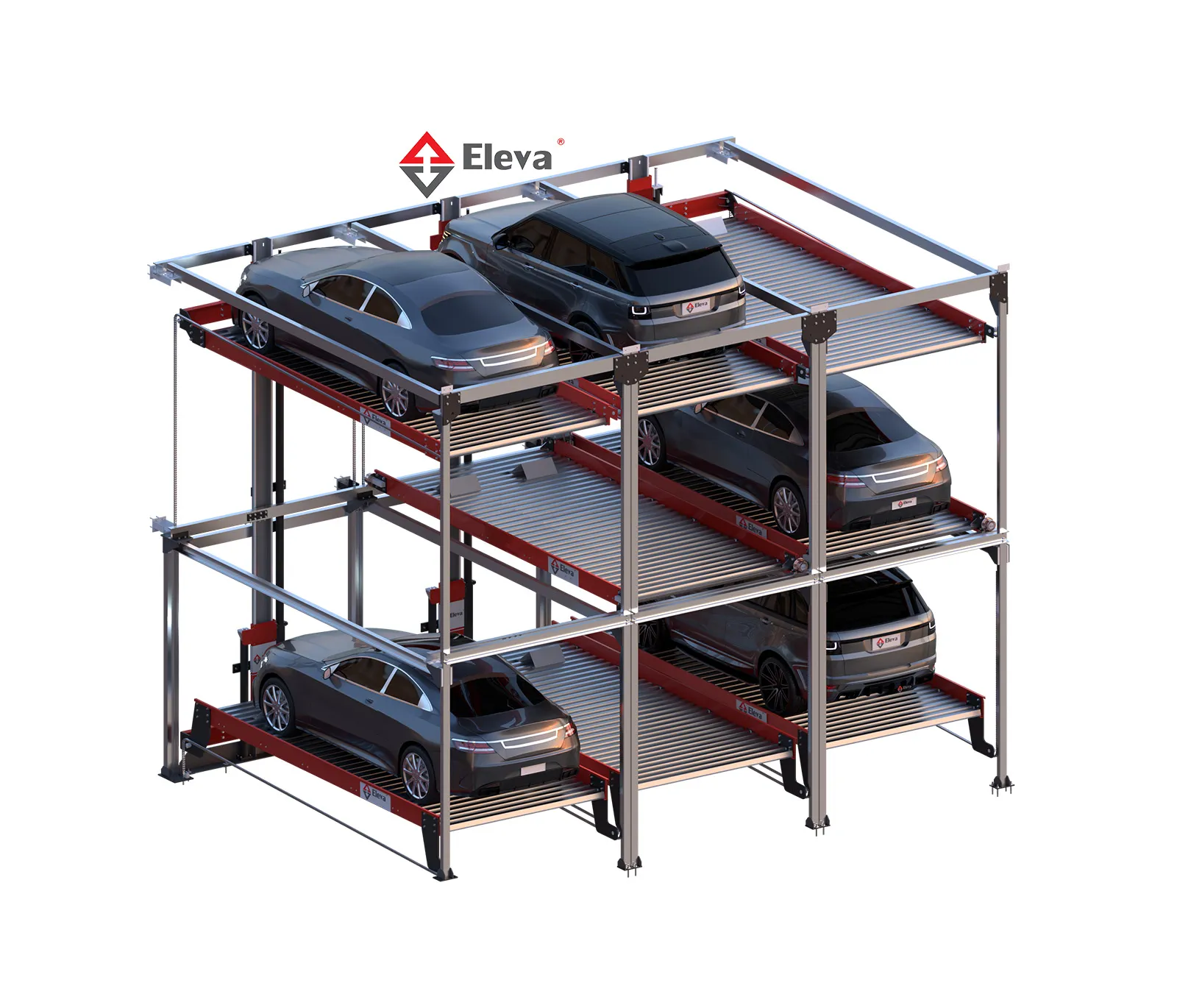
What to review early
Parking target versus the footprint the site can realistically spare
Vehicle mix, retrieval pattern, and whether the system has to support multiple independent users
Whether stack, puzzle, or tower logic best suits the site's structural and operational constraints
Key points
Mumbai sites often need a parking strategy before they need a fixed parking product.
A short plot and parking brief is enough to begin a serious first review.
Our Clients

Vicco

MR.DIY

DoubleTree by Hilton

Vedanta
Concrete Builders

Unichem

Hero

Adwalpalkar
Aldeia de Goa

B&F

Bharatgas

Bina Punjani

CDM

ESG

Jubilant Foodworks

South Realty
Vicco
MR.DIY
DoubleTree by Hilton
Vedanta
Concrete Builders
Unichem
Hero
Adwalpalkar
Aldeia de Goa
B&F
Bharatgas
Bina Punjani
CDM
ESG
Jubilant Foodworks
South Realty
This page is for Mumbai sites where the parking shortfall is materially affecting project viability, layout efficiency, or building usability. That can include residential towers, mixed-use plots, redevelopment projects, and commercial sites where conventional parking consumes too much of the available area.
The right parking answer depends on more than vehicle count. It also depends on circulation, retrieval pattern, user mix, structural logic, and whether the finished system will remain workable in daily operation rather than only on paper.
A short brief on the plot condition, parking target, and building type is usually enough to narrow whether stack, puzzle, tower, or a broader parking rethink is the better direction.
Where this is usually suitable
Tight urban plots under parking-count pressure
Residential towers and societies reviewing parking efficiency
Mixed-use and commercial projects where ramps consume too much area
Redevelopment sites comparing stack, puzzle, and tower routes
What usually creates pressure on Mumbai parking layouts
Parking count pressure on a tight plot
Many sites need more cars than a conventional ramp layout can support efficiently, especially where the footprint is already under pressure from the building program.
Too much area being lost to ramps and circulation
A parking strategy becomes useful when the conventional solution starts eating into the layout more heavily than the site can reasonably afford.
Multi-user retrieval needs that make the wrong system awkward later
The right parking route has to match how residents, operators, or commercial users will actually retrieve and circulate vehicles every day.
Relevant project example
This case study is useful because it shows parking density being improved without losing sight of circulation and daily usability.
Project case study
Puzzle parking for a constrained mixed-use site
A site where conventional parking could not reach the required vehicle count without an inefficient layout.
Planning notes worth reviewing early
These articles help narrow whether automated parking is justified and which route deserves closer review.
Planning insight
When automated parking systems make sense for a building
Helpful when the first question is whether parking automation is justified at all for the site.
Planning insight
Parking planning for constrained urban plots
Useful when footprint pressure, circulation, and the parking count all matter together.
Planning insight
Stack parking vs puzzle parking: how to choose
Helpful when the project is active and the main question is which parking route deserves a more serious look.
Questions buyers usually ask
Which parking system usually suits a Mumbai project best?
That depends on the plot footprint, parking target, user pattern, and how independent the retrieval needs to be. Stack, puzzle, and tower systems solve different site conditions, so the answer should follow the project rather than preference alone.
Is puzzle parking usually better than stack parking for multi-user buildings?
Often yes when independent retrieval matters, but not always. Some sites can work well with stack systems if the user pattern is simpler and the operating logic remains acceptable.
When is tower parking worth evaluating?
Tower parking becomes relevant when the footprint is extremely tight and the project needs a more vertical strategy to reach the required parking count without giving away too much land to ramps or wider circulation.
What should I share for a parking proposal in Mumbai?
Send the site location, building type, current layout and required car count. Include vehicle sizes, available height, entry and exit limits, and busy times. Share any approval conditions already identified by your project team.
What the next step usually looks like
A parking discussion usually begins with the site pressure, not a final system decision.
Share whether the plot is residential, commercial, mixed-use, or redevelopment-led.
Mention the parking shortfall, the likely user pattern, and whether the issue is ramp inefficiency, count pressure, or a broader circulation problem.
Use the enquiry form to begin the discussion. Eleva can then help narrow whether the next review should focus on stack, puzzle, tower, or wider feasibility.