
01
Automated parking should solve a real site problem rather than decorate a layout.
Automated car parking systems in Goa
This page is for active parking requirements where the footprint is tight and the parking count matters. Eleva approaches automated parking in Goa around circulation, parking density, user pattern, and the practical fit between the system and the site.
Parking discussions are most useful before the footprint, circulation, and parking target are finalized around the wrong assumption.
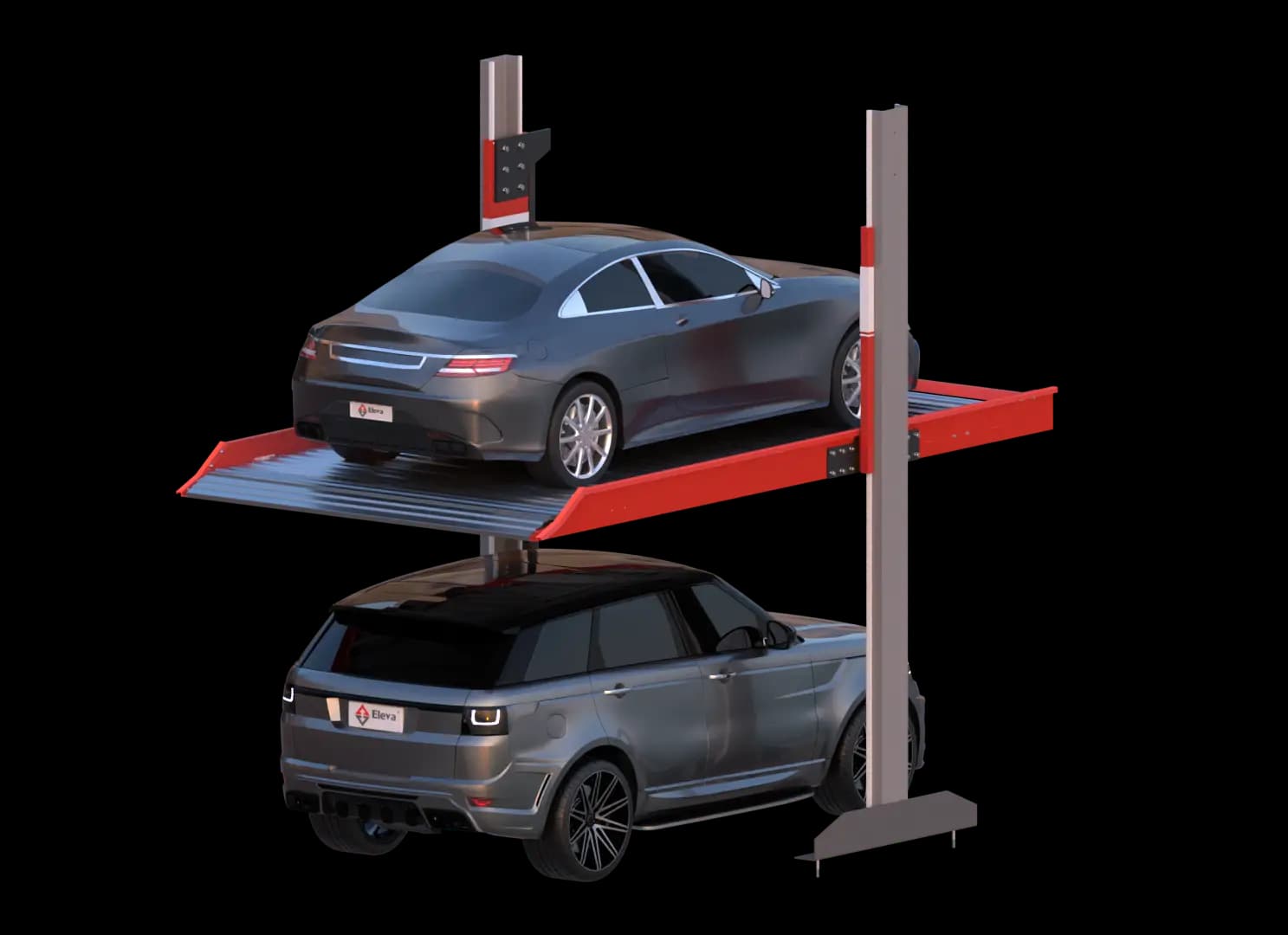
Parking target versus the land and circulation actually available
Vehicle mix, retrieval pattern, and likely daily queueing pressure
Whether stack, puzzle, tower, or a broader parking rethink is the right direction
01
Automated parking should solve a real site problem rather than decorate a layout.
02
The right system depends on parking density, circulation, and user pattern together.
03
A short plot and parking brief is enough to begin a serious parking discussion.
The parking discussion needs to start with how many cars the site must support and how much land is being lost to ramps or inefficient movement.
Different systems solve different site conditions, so the right answer should follow the plot rather than preference alone.
Retrieval logic, circulation, and user mix matter because parking density is only useful if the finished site still operates cleanly.
This case study shows how parking density and circulation can be evaluated together on a real constrained plot.
Project case study
A Panaji case where the site needed more parking than a ramp layout could deliver, without forcing an awkward operating plan.
These articles help narrow whether automated parking is justified and which system direction is worth exploring next.
Planning insight
Helpful when the main question is whether automation is justified at all for the project.
Planning insight
Useful when footprint efficiency, circulation, and the parking count all matter together.
Planning insight
Helpful when the site is active and the main decision is which parking path to evaluate more seriously.
No. It is relevant wherever the plot is constrained and the parking shortfall matters enough that conventional ramps or bays stop using the land well.
Yes. The parking discussion usually starts with site fit and daily use pattern before it narrows to a specific system type.
A parking enquiry is usually strongest when it begins with the footprint pressure and parking target rather than with an assumed system type.
Step 01
Share the plot type, parking shortfall, and whether the project is residential, commercial, or mixed-use.
Step 02
Mention whether the main concern is ramp inefficiency, circulation pressure, or the need to compare system paths.
Step 03
Use the enquiry form to begin the discussion. Eleva can then help narrow whether the next review should focus on stack, puzzle, tower, or wider feasibility.
Project discussion
Tell us the parking pressure, site footprint, and whether the main question is stack, puzzle, tower, or overall feasibility.